
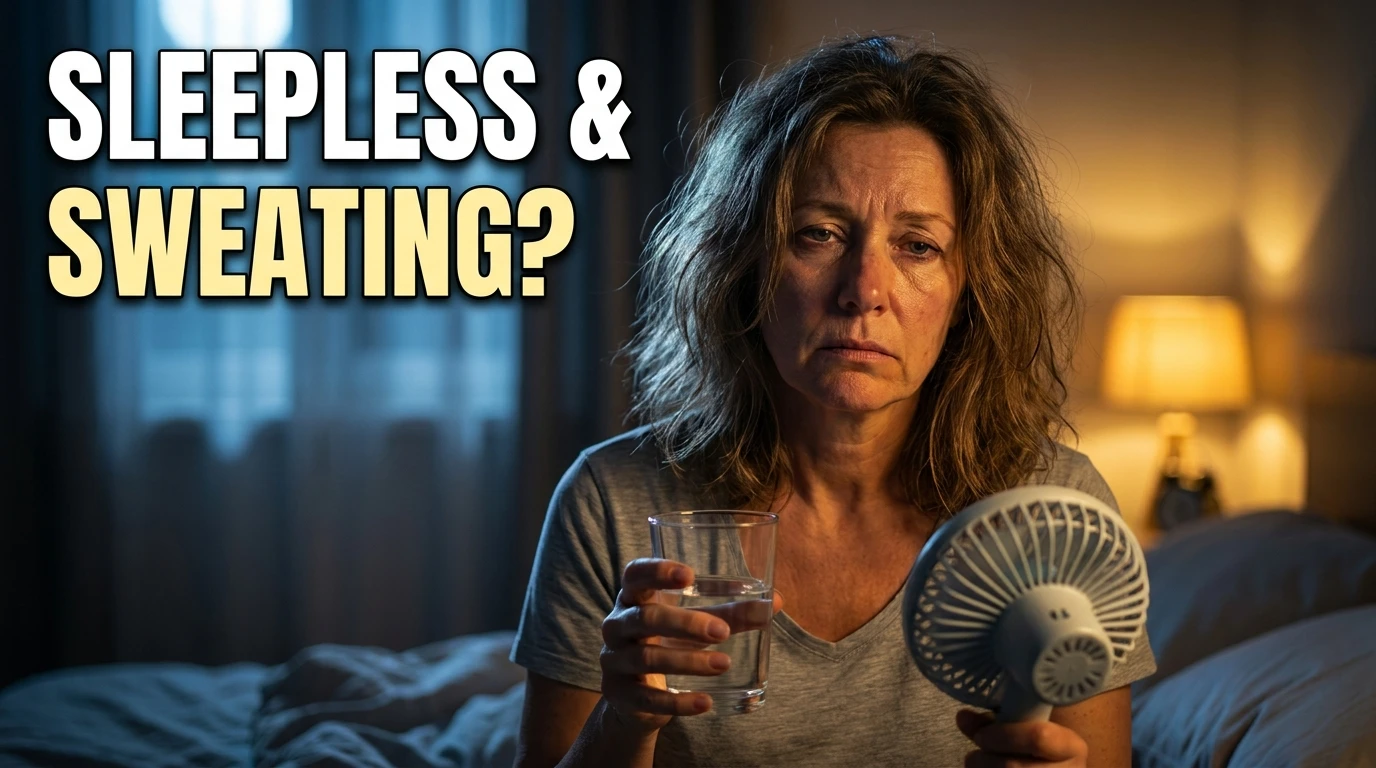
How can menopause affect sleep patterns?
South Asian Health — Menopause10 June 2026
Menopause can lead to sleep disturbances due to symptoms such as hot flashes, night sweats, and anxiety. These symptoms can disrupt sleep quality and make it challenging to fall or stay asleep. It's important for women to establish a calming bedtime routine, create a comfortable sleeping environment, and practice relaxation techniques such as deep breathing or meditation. If sleep issues persist, consulting a GP is essential to explore potential treatments or interventions that can help improve sleep quality during this transition.