
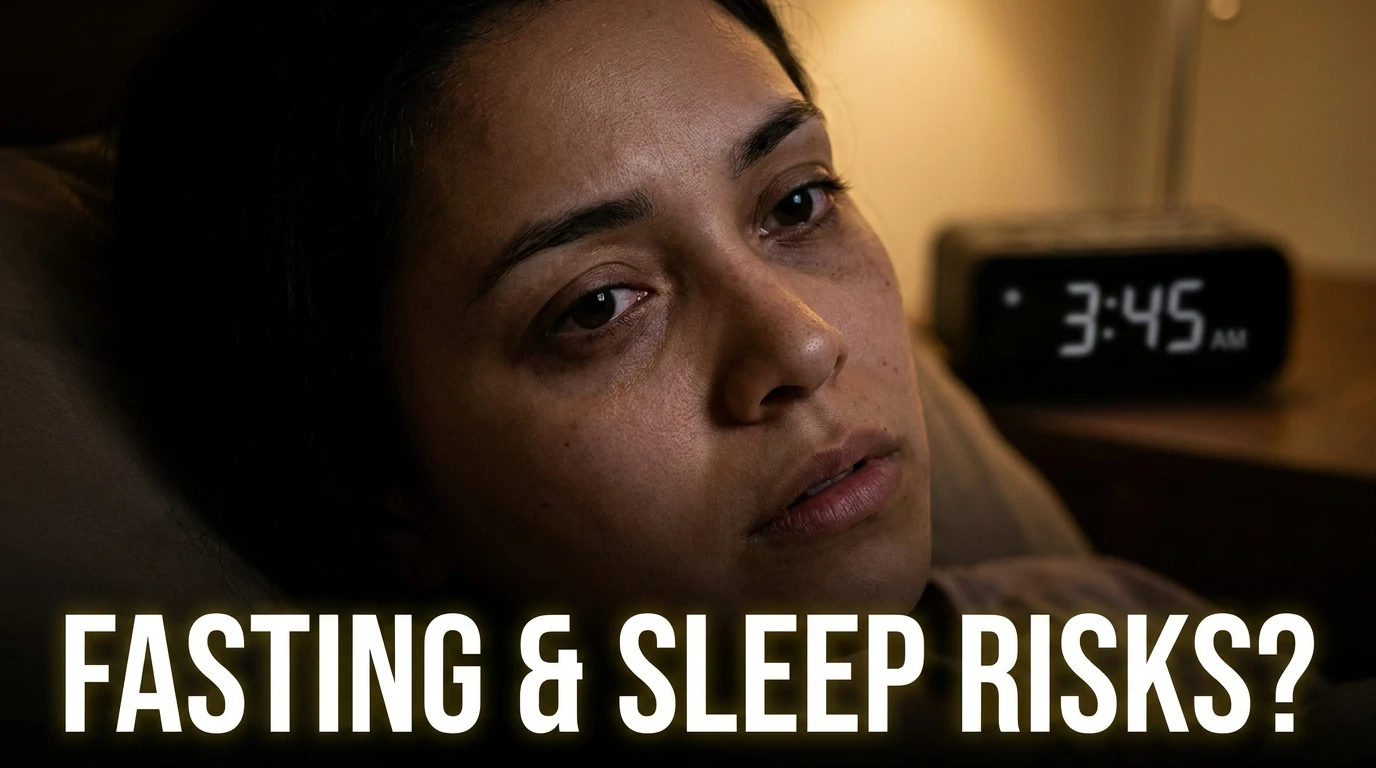
How does fasting affect your sleep patterns during Ramadan?
South Asian Health — Ramadan & Religious Fasting21 June 2026
Fasting during Ramadan can significantly impact your sleep patterns. Many people experience changes in sleep duration and quality due to altered eating schedules. With suhoor (pre-dawn meal) and iftar (evening meal), your body may find it challenging to adjust to the new routine. You might feel more tired during the day, which can affect your mood and concentration. To help improve sleep, try to maintain a consistent sleep schedule, avoid caffeine close to bedtime, and create a relaxing pre-sleep routine. The NHS recommends prioritizing sleep hygiene to help you feel more rested during this month.