
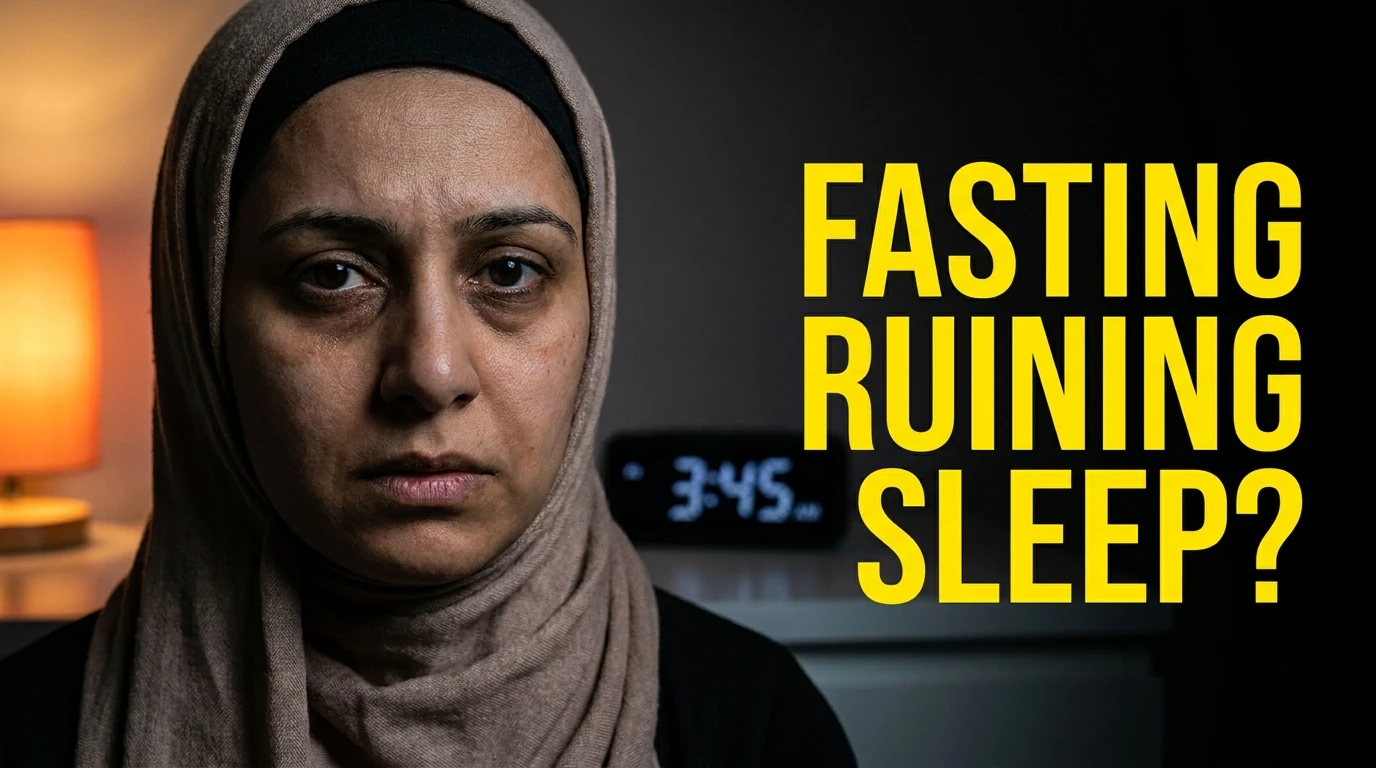
How can fasting impact your sleep quality?
South Asian Health — Ramadan & Religious Fasting26 August 2026
Fasting during Ramadan may affect your sleep quality due to changes in your eating schedule. Many people experience altered sleep patterns, leading to difficulties in falling asleep or staying asleep. Eating late at night can also disrupt the body’s natural circadian rhythms. To improve sleep quality, establish a consistent sleep schedule and allow time for digestion before bedtime after your Iftar meal. Incorporating relaxation techniques, such as deep breathing or gentle stretching, can help you unwind. If sleep issues persist, consider discussing them with your GP for tailored advice on managing sleep during Ramadan.