
Understanding GLP-1 Medicines
An overview of GLP-1 medicines, their uses, and how they work.
The basics
How GLP-1 works
GLP-1 medicines are prescription-only treatments that mimic a natural gut hormone. They are used in the UK for type 2 diabetes and weight management, and they work best alongside healthy lifestyle habits — not as a standalone solution.
They are not quick fixes or fat burners. They are long-term treatments, and a qualified clinician decides whether they suit each person's health and circumstances.

Released after eating
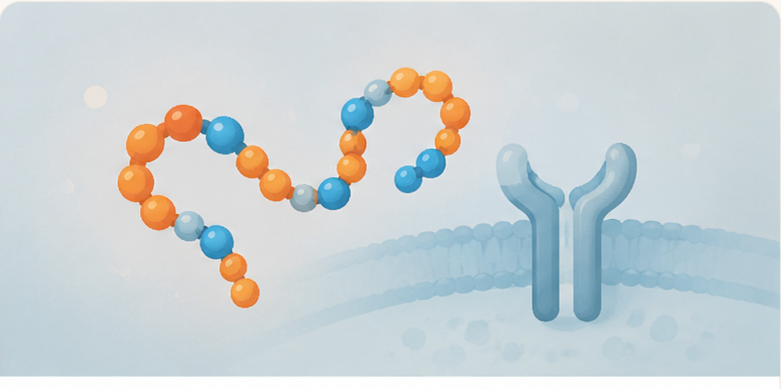
GLP-1 is a hormone the gut releases after a meal, signalling the body to manage blood sugar.
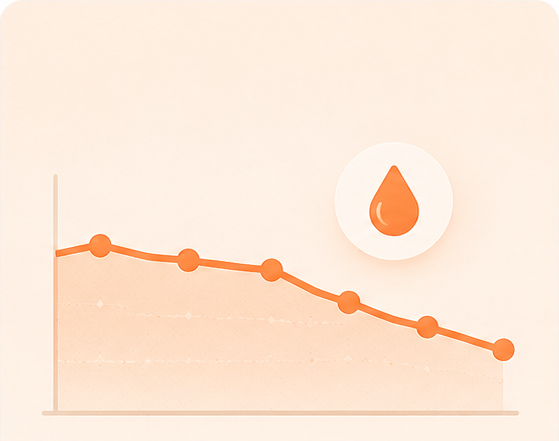
Steadier blood sugar
These medicines enhance that natural process, helping maintain steadier blood sugar levels.

Feeling fuller for longer
They also help reduce hunger, so people can feel fuller for longer alongside lifestyle changes.
GLP-1 medicines are prescription-only treatments that mimic a natural gut hormone called glucagon-like peptide-1. This hormone helps manage blood sugar levels and appetite. In the UK, these medicines are used for type 2 diabetes and weight management, but they are not a standalone solution; they work best alongside healthy lifestyle habits.
GLP-1 is released by the gut after eating, signalling the body to regulate blood sugar and reduce hunger. GLP-1 medicines are designed to enhance this natural process, helping individuals maintain steadier blood sugar levels and feel fuller for longer.
There are many myths surrounding GLP-1 medicines, such as the belief that they are quick fixes or fat burners. In reality, they are long-term treatments that require a commitment to lifestyle changes alongside their use.
In the UK, a qualified clinician determines the suitability of GLP-1 medicines for each individual. This ensures that the treatment aligns with the patient's health needs and circumstances.
Medicines
Medicines at a glance
The brands you'll hear about most, and what each one is for. Educational only — no prices, no recommendations.
Showing 6 of 6 medicines
| Brand | Type | Active drug | Form | How often | Mainly for |
|---|---|---|---|---|---|
| MMounjaro | GLP-1 + GIP | Tirzepatide | Injection | Weekly | Diabetes & weight |
| OOzempic | GLP-1 | Semaglutide | Injection | Weekly | Type 2 diabetes |
| RRybelsus | GLP-1 | Semaglutide | Tablet | Daily | Type 2 diabetes |
| SSaxenda | GLP-1 | Liraglutide | Injection | Daily | Weight management |
| TTrulicity | GLP-1 | Dulaglutide | Injection | Weekly | Type 2 diabetes |
| WWegovy | GLP-1 | Semaglutide | Injection | Weekly | Weight management |
- Active drug
- Tirzepatide
- Form
- Injection
- How often
- Weekly
- Mainly for
- Diabetes & weight
- Active drug
- Semaglutide
- Form
- Injection
- How often
- Weekly
- Mainly for
- Type 2 diabetes
- Active drug
- Semaglutide
- Form
- Tablet
- How often
- Daily
- Mainly for
- Type 2 diabetes
- Active drug
- Liraglutide
- Form
- Injection
- How often
- Daily
- Mainly for
- Weight management
- Active drug
- Dulaglutide
- Form
- Injection
- How often
- Weekly
- Mainly for
- Type 2 diabetes
- Active drug
- Semaglutide
- Form
- Injection
- How often
- Weekly
- Mainly for
- Weight management
Explore
In-depth guides
Short and simple reads for popular topics.
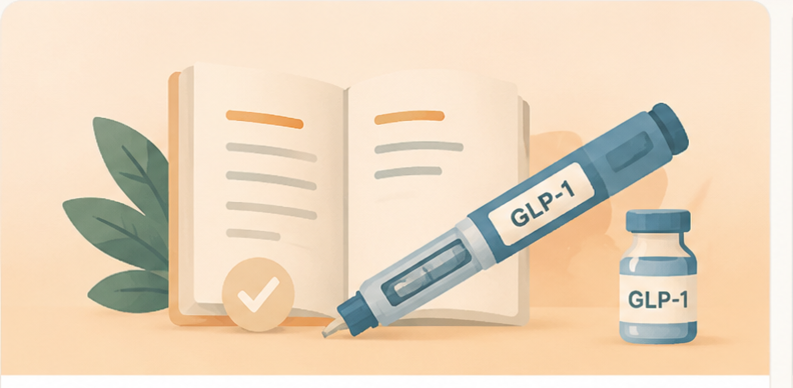


Common questions
Common questions
General, factual answers. This is educational information, not medical advice.
GLP-1 medicines are primarily used for managing type 2 diabetes and for weight management.
Yes, GLP-1 medicines are considered safe when prescribed by a qualified clinician, although they do come with potential side effects.